
Winning big: the psychology behind casino games
The Allure of Chance and Uncertainty
The thrill of unpredictability is a significant factor that draws people into casino games, and some even explore options like $10 neosurf deposit casino to enhance their experience. Many players are particularly attracted to the idea that a mere flip of a card or the spin of a wheel could lead to life-changing wins. This element of chance triggers excitement and an adrenaline rush, which can evoke strong emotional responses. Players often feel a sense of optimism, fueled by the hope that they will be the next lucky winner. This inherent uncertainty appeals to our desire for novelty and unpredictability, as we seek to escape the routine of everyday life.
Moreover, the psychology of gambling thrives on the anticipation that comes with waiting for results. The moments before a dice is rolled or a slot machine is pulled can be electrifying. This build-up of suspense leads to an emotional high that many find addictive. Even the possibility of losing can create a sense of urgency, compelling players to keep trying until they achieve that coveted win. This cycle of anticipation and reward sustains engagement and often leads to prolonged gaming sessions.
Another integral aspect of this allure is the illusion of control. Players often believe that their skills or strategies can influence the outcomes, especially in games like poker where decision-making plays a crucial role. This perception can bolster confidence and encourage repeated attempts at winning. Such a mindset contributes to a player’s willingness to invest significant time and money in the hope of hitting it big, demonstrating how the psychological components of chance and uncertainty are central to the gambling experience.
The Role of Rewards and Reinforcement
The psychology behind casino games is heavily influenced by the principles of reinforcement. When players win, their brains release dopamine, a neurotransmitter associated with pleasure and reward. This chemical reaction reinforces the behavior, making players more likely to return for more. Winning, regardless of the amount, serves as positive reinforcement, encouraging individuals to engage in the activity again and again. This cycle can be especially strong in environments where players experience frequent small wins, as these help to maintain interest and keep them engaged.
Additionally, the concept of variable rewards plays a crucial role in maintaining player interest. Unlike fixed rewards, variable rewards can create a stronger psychological impact due to their unpredictability. Players may find themselves playing longer in the hopes of securing that unexpected big win. This technique is similar to the mechanics behind slot machines, where the payout frequency can be altered to keep players guessing, thus prolonging their gambling sessions and deepening their psychological investment in the outcome.

Moreover, the design of many casino games often includes elements that heighten the excitement of winning. Features such as animated graphics, engaging sound effects, and celebratory noises can amplify the experience and reinforce positive feelings associated with gambling. This immersive environment creates a captivating experience that can transport players away from reality, making the thrill of risk and reward even more enticing. The combination of these psychological and environmental factors ensures that players are continually drawn back to the allure of the gaming floor.
The Impact of Social Interaction
Social dynamics play a significant role in the psychology of casino games. Gambling is often perceived as a social activity where players can interact with one another, enjoy shared experiences, and build connections. This interaction can heighten excitement as players cheer each other on during significant moments, creating a communal atmosphere. The presence of others can reinforce gambler behavior, leading to increased wagering and extended gaming. Friends and acquaintances can influence one another, sometimes even escalating risks in pursuit of social acceptance or group thrills.
Furthermore, many casino games, particularly table games, require players to engage with others, which can create a sense of camaraderie. Table games like blackjack or poker encourage strategic conversation and bluffing, all of which contribute to a deeper, more immersive experience. Players often find themselves motivated not just by personal financial gain but by the thrill of competition or shared victory with friends. This social reinforcement can create strong community bonds, making players less likely to walk away, even after losses.
Social media and digital platforms have further transformed the landscape of casino gaming. Online casinos frequently incorporate chat features and community leaderboards, fostering a sense of belonging among players. As individuals navigate these platforms, they become part of a larger gaming community, often motivated by the desire to achieve higher rankings or milestones. This interconnectedness not only amplifies engagement but can also lead players to make riskier bets to impress their peers or gain recognition within the community.
The Effect of Cognitive Biases on Gambling Decisions
Cognitive biases also play a significant role in how players approach casino games. One common example is the gambler’s fallacy, where players believe that past outcomes influence future events. For instance, after a series of losses, a player might feel that a win is «due» and thus increase their betting. This misjudgment of probabilities can lead to reckless behavior, contributing to potential financial losses. Understanding these biases is crucial, as they can significantly impact gambling decisions and the overall experience.
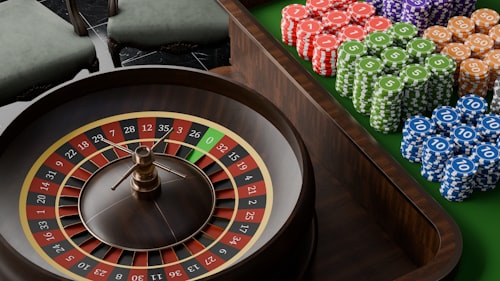
Another significant cognitive bias is the illusion of control, where players feel they can influence or predict outcomes in games of chance. This may lead to overconfidence in their abilities, causing them to gamble more than they should. In games like poker, players might convince themselves that their skill will ultimately lead to winning, ignoring the inherent randomness of the game. This skewed perception can not only affect individual players but can lead to broader trends in gambling behavior as groups of players begin to adopt similar flawed beliefs.
Moreover, the framing effect can alter how players perceive their wins and losses. For instance, framing a loss as a “near win” or celebrating small victories can keep players invested, as they often focus on the potential to win rather than the reality of their losses. This cognitive distortion can lead to a cycle of gambling that is hard to break, as players continuously chase the thrill of winning while minimizing the consequences of their losses. Recognition of these biases can empower individuals to make more informed decisions about their gambling habits.
Understanding Your Gambling Experience
Understanding the psychological aspects of gambling is essential for players who want to manage their experiences more effectively. By recognizing the various factors that influence their behavior, individuals can make informed decisions that align with their personal values and limits. Setting boundaries around time and money spent in casinos can mitigate the risks associated with excessive gambling. Players should take the time to reflect on their motivations for gambling and consider whether they are seeking entertainment or are caught in a cycle of chasing losses.
Education about the psychological factors at play can empower players to approach gambling with a healthier mindset. Familiarizing oneself with common cognitive biases can help individuals recognize when they are making irrational decisions. With knowledge comes the ability to take active steps in managing one’s behavior. Utilizing tools like self-exclusion programs, setting deposit limits, and maintaining a balanced lifestyle can help foster a healthier relationship with gambling.
Additionally, many casinos and online gaming platforms are increasingly recognizing the importance of promoting responsible gaming. By providing resources and support for players, these establishments aim to create safer gambling environments. This commitment to player well-being is crucial, as it not only enhances the overall gaming experience but also helps combat the potentially negative consequences of gambling. The integration of psychological insights into casino practices highlights the industry’s acknowledgment of the significant impact of player psychology on gambling behavior.